All Your Questions Answered Here
What Is Yoga?
Yoga is a holistic practice that unites the body, mind, and spirit through movement,
breathwork, and meditation. It originated in India thousands of years ago and promotes
overall balance and well-being.
What Are The Benefits Of Practicing Yoga?
Regular yoga practice improves flexibility, strength, posture, and balance. It also reduces
stress, enhances focus, boosts mood, supports better sleep, and encourages mindfulness.
Can Beginners Do Yoga?
Absolutely! Yoga is for everyone. You don’t need to be flexible or fit to start, just open-
minded and willing to learn.
How Often Should I Practice Yoga?
Even 1–2 sessions a week can make a difference. If possible, a short daily practice (10–20
minutes) can help you feel more centred and energised.
What Do I Need To Bring To A Yoga Class?
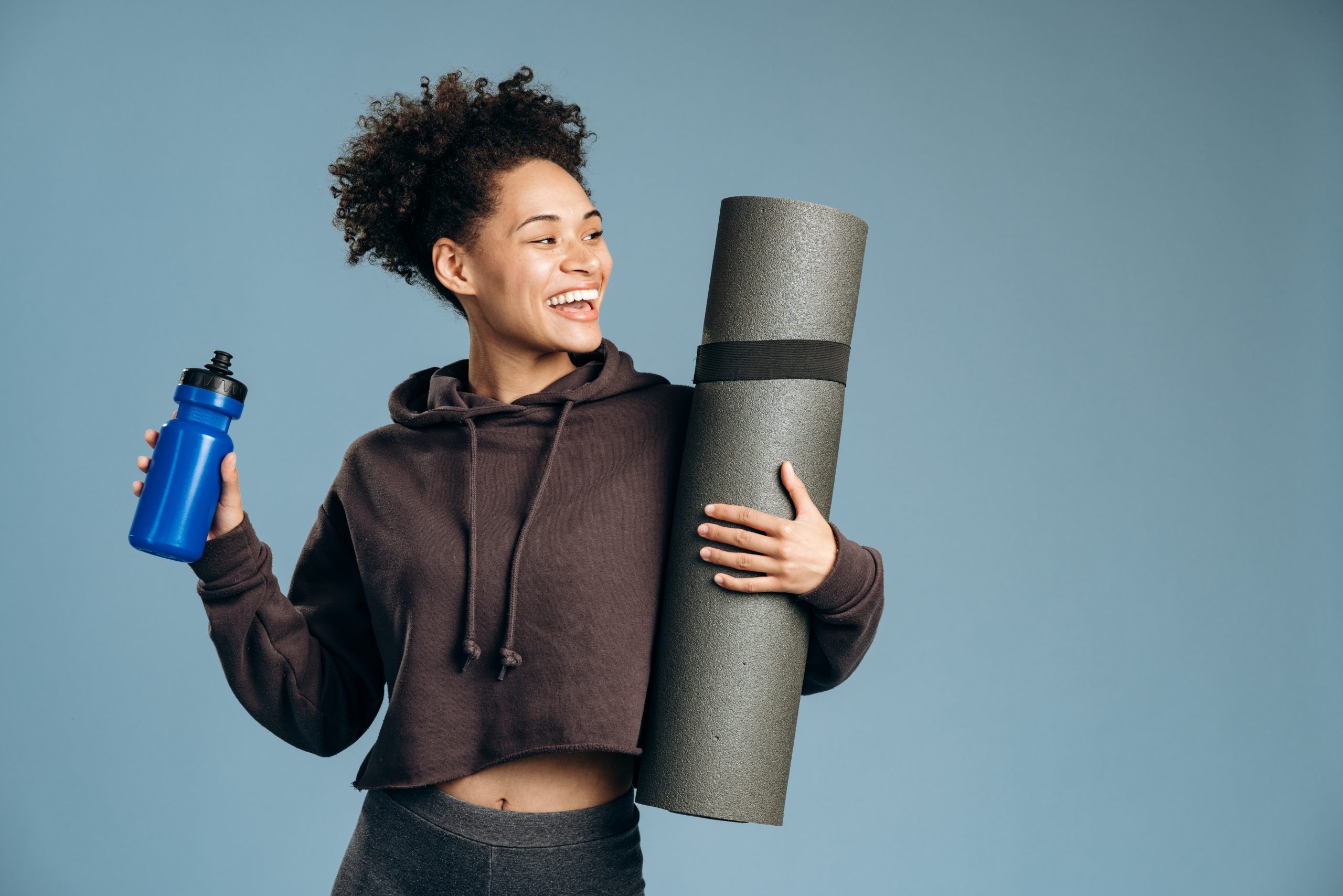
Bring a yoga mat, comfortable clothes, water, and a towel. Some instructors provide mats and
props like blocks or straps.
Do I Need To Be Flexible To Do Yoga?
Not at all! Yoga helps build flexibility over time. The goal is to listen to your body and
progress at your own pace.
What’s The Difference Between Hatha, Vinyasa, Yin, and Restorative Yoga?
Hatha: Foundational postures and slow pacing — great for beginners.
Vinyasa: A flowing, dynamic sequence linking breath to movement.
Yin: Slow, meditative holds that target deep tissues.
Restorative: Gentle postures with props for deep relaxation.
What Should I Eat Before Yoga?
A light snack 1–2 hours before class is ideal , think fruit, yogurt, or nuts. Avoid heavy meals
right before practice.
Can Yoga Help With Stress Or Anxiety?
Yoga is a holistic practice that unites the body, mind, and spirit through movement,
breathwork, and meditation. It originated in India thousands of years ago and promotes
overall balance and well-being.
Is Yoga A Religion?
No. While yoga has spiritual roots in ancient India, it is a personal practice that can
complement any belief system.
What Does “Namaste” Mean?
“Namaste” is a Sanskrit greeting meaning “I bow to you.” In yoga, it expresses respect and
gratitude. a recognition of the light within each person. This greeting is not normally used
within a school setting.
Can Yoga Help With Back Pain Or Injuries?
Gentle yoga can support healing and mobility. However, always consult your healthcare
provider before starting if you have specific injuries or conditions.
What Kind Of Clothes Should I Wear For Yoga?
Choose breathable, stretchy, and comfortable clothes that allow free movement, such as
leggings, shorts, and fitted tops.
What Is Meditation In Yoga?
Meditation is the practice of focusing your awareness to achieve mental clarity and calmness.
It’s an integral part of yoga that nurtures mindfulness and self-awareness.
What Is Pranayama?
Pranayama refers to yogic breathing exercises. “Prana” means life force; “yama” means
expansion. It enhances energy flow and supports relaxation and focus.
What’s The Best Time Of Day To Do Yoga?
Morning practice energises you for the day ahead, while evening practice helps release
tension and promote better sleep. The best time is whenever you can practice consistently.
Can Yoga Help With Weight Management?
Yes. While yoga isn’t a high-intensity workout, it builds lean strength, improves digestion,
and promotes mindful eating and stress management. all of which support a healthy weight.
Is Yoga Safe During Pregnancy?
Prenatal yoga is a safe, gentle way to stay active and relaxed during pregnancy. Always
consult your doctor and work with a certified prenatal yoga instructor.
How Can I Practice Yoga At Home?
Find a quiet space, roll out your mat, and chose one of our online classes or tutorials for
guidance. Consistency is more important than duration.
How Long Does It Take To See Results From Yoga?
Many people feel benefits, like reduced stress and better sleep , after just a few sessions.
Physical improvements, such as flexibility and strength, typically appear within 4–8 weeks of
regular practice.